
GLP-1s and Menopause: Navigating the Hidden Health Intersections
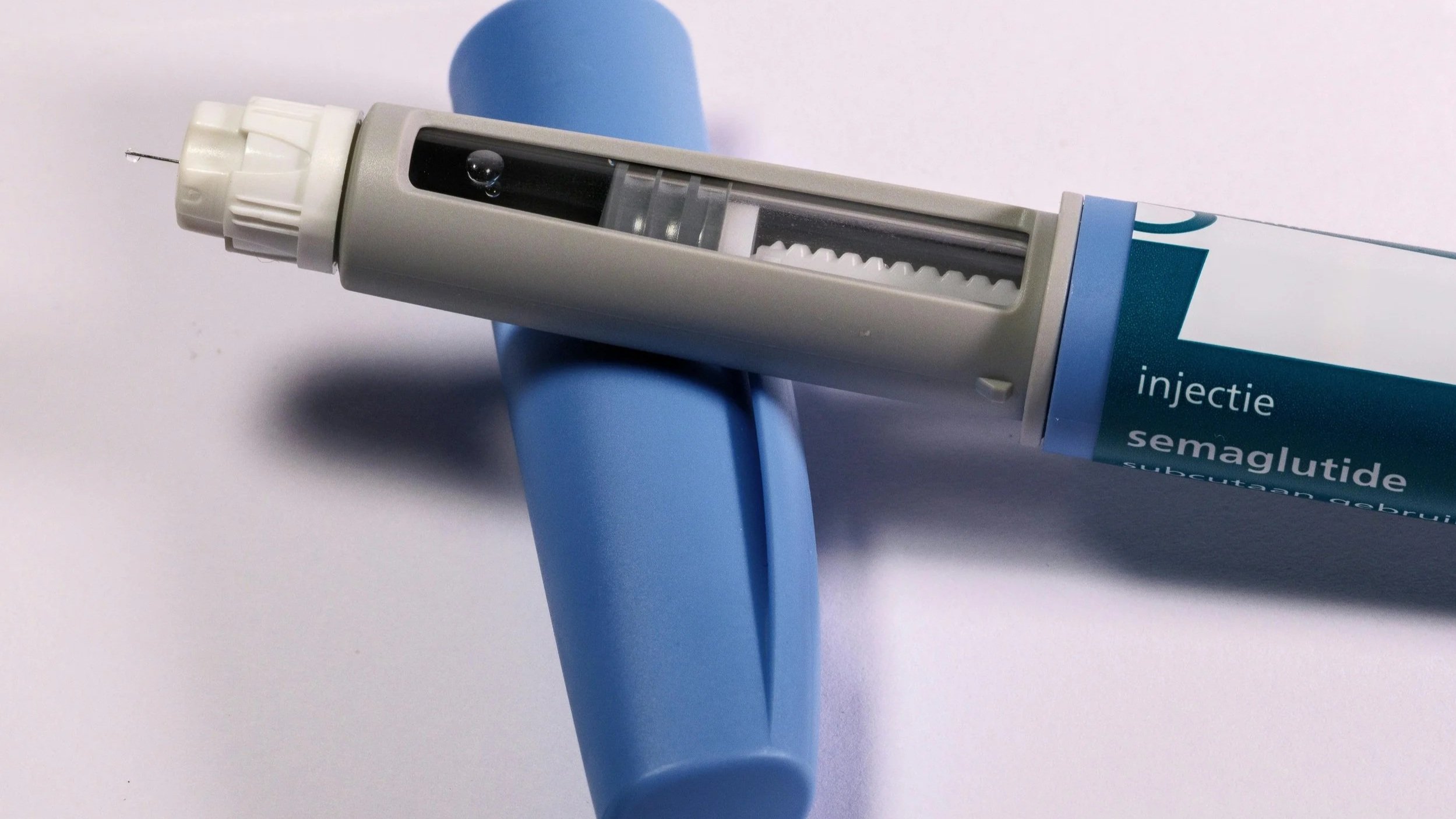
The Perfect Storm: GLP-1s and Menopause Collide
When a woman starts a GLP-1 medication during perimenopause or menopause, she enters a complex metabolic territory. On one side, estrogen is plummeting - a hormone that has been quietly orchestrating bone density, muscle maintenance, cardiovascular protection, and metabolic flexibility for decades. On the other side, GLP-1 receptor agonists are simultaneously suppressing appetite, altering nutrient absorption, and accelerating weight loss.[1] Understanding these overlapping forces isn't academic; it's essential for preserving the health architecture you've built over a lifetime.
GLP-1 medications have revolutionized weight management and metabolic health for millions. But as more women in their 40s and 50s use these medications, we're learning that menopause and GLP-1 therapy don't exist in isolation - they interact in ways that demand our attention.
The Menopause Foundation: Why This Matters
Menopause represents one of the most significant biological transitions in a woman's life. The decline in estrogen doesn't just affect hot flashes and mood, it fundamentally rewires metabolic function. Women lose bone density at an accelerated rate during the first five years after the last menstrual period. Muscle protein synthesis becomes less efficient. Nutrient absorption can decline. Brain function shifts. Even the gut microbiome changes.
These shifts aren't problems to fear; they're transitions to navigate intelligently.
When you layer GLP-1 medication into this landscape, the stakes change. Weight loss during menopause, while potentially beneficial for overall health, can accelerate bone loss if it's not managed thoughtfully. Reduced food intake might mean reduced nutrient absorption during a time when micronutrient needs are actually increasing. The very physiological tools that make GLP-1s effective for weight management can, paradoxically, undermine your structural and metabolic resilience if left unaddressed.
Bone Health: The Silent Crisis GLP-1 Users Can't Ignore
Here's a sobering fact: women can lose up to 20% of their bone mass in the first 5-7 years after menopause.[2,3] That rate accelerates in the early years when estrogen depletion is most severe. If you're also experiencing weight loss from GLP-1 use, you're looking at a compounding problem.
Why? Because bone is living tissue that responds to both hormonal signals and mechanical stress. Lower estrogen means less bone formation.[4] Rapid weight loss reduces the mechanical load on bones, signaling your body that maintaining dense bone is less critical.[5] Combined, these factors can create a trajectory toward osteoporosis.
Recent research on GLP-1 medications found that over five years, users faced a 30% higher risk of osteoporosis, with researchers identifying mechanisms including rapid weight loss, potential nutrient absorption issues, and changes in mechanical loading on bone.[6] The good news: this is manageable with strategic intervention.
What you can do:
Ensure adequate calcium and vitamin D3+K2: Women over 51 need 1,200 mg of calcium daily, and 600-800 IU of vitamin D3+K2 depending on age. GLP-1 medications can reduce stomach acid and impair nutrient absorption. Consider taking calcium citrate (absorbed better in lower acid environments) with food, and have your vitamin D levels tested regularly.[7]
Prioritize resistance training: This is non-negotiable. Multiple meta-analyses demonstrate that resistance training significantly improves bone mineral density at the lumbar spine and femoral neck in postmenopausal women.[8] Aim for 2-3 sessions weekly of progressive resistance work. Your bones respond to challenges by building density.
Monitor bone density: Don't wait for obvious signs. A DEXA scan every 1-2 years during menopause on GLP-1s can catch changes early. Knowledge is power.
Muscle: The Metabolic Currency You Can't Afford to Lose
During menopause, women naturally lose muscle mass due to declining estrogen and growth hormone. This isn't merely cosmetic, it's metabolic destiny. Muscle drives your resting metabolic rate. It's your most insulin-sensitive tissue. It's where metabolic flexibility lives. Lose too much, too fast, and you're setting yourself up for metabolic fragility for decades to come.
GLP-1 medications accelerate muscle loss when calorie restriction is aggressive or protein intake is insufficient. Research shows that up to 40% of weight loss with semaglutide can come from lean body mass, which includes muscle tissue.[9] During menopause, when your natural muscle-building machinery is already struggling, this is a problem.
The resilience strategy:
Eat adequate protein: Aim for 1.2-1.6 grams per kilogram of body weight daily; higher than standard recommendations because you're fighting a biological headwind. For a 70 kg woman, that's 84-112 grams daily. Studies demonstrate that higher protein intakes (versus standard recommendations) preserve lean mass during weight loss, even without exercise.[10] Distribute protein throughout the day to optimize muscle protein synthesis.
Resistance training is mandatory: This can't be overemphasized. Combined with adequate protein, resistance exercise is your primary defense against muscle loss during GLP-1 therapy and menopause.
Include amino acids thoughtfully: Consider adequate intake of leucine, which directly stimulates muscle protein synthesis. It's found in eggs, fish, poultry, dairy, and legumes.
Micronutrient Support: The Foundational Layer
The micronutrient story is where GLP-1s and menopause intersect most visibly and most dangerously if ignored.
Vitamin D: Beyond bone health, vitamin D supports immune function, brain health, and mood regulation, all areas where menopausal women are vulnerable. GLP-1 use can reduce fat-soluble nutrient absorption (vitamin D is fat-soluble). A study of postmenopausal women found that 80% had vitamin D deficiency at baseline, and magnesium supplementation significantly improved vitamin D status.[11] Target blood levels of 40-60 ng/mL.
Calcium: The classic bone mineral. While we emphasize vitamin D, calcium remains foundational. Pair it with vitamin C for absorption. The North American Menopause Society recommends 1,200 mg daily for postmenopausal women.[12] Dairy, fortified plant milks, leafy greens, and almonds are sources. Supplementation may be necessary, especially if food intake is restricted on GLP-1s.
Magnesium: The often-forgotten mineral that supports bone health, muscle function, energy production, and crucially, stress resilience. Menopause increases cortisol sensitivity; magnesium helps buffer this. Women over 51 need 320 mg daily. Sources include seeds, nuts, leafy greens, and whole grains. If GLP-1s reduce food intake significantly, supplementation (200-400 mg daily) is reasonable. An ideal calcium-to-magnesium ratio is 2:1.[13]
B Vitamins: GLP-1 medications can reduce absorption of B12 (especially methylcobalamin). This matters because B12 supports energy, brain health, and bone metabolism. Regular testing and supplementation may be warranted.
Iron and Folate: Though menstrual cycles stop (reducing monthly iron loss), iron remains critical for energy and brain health. Folate supports cellular function and mood. Assess these regularly, especially if food intake is reduced.
The key principle: If you're eating less on a GLP-1, the nutrient density of what you do eat becomes exponentially more important.
Gut and Brain: The Neglected Connection
The gut microbiome changes dramatically during menopause due to declining estrogen. Simultaneously, GLP-1 medications alter gut hormone signaling and can affect microbial composition. The result? Reduced synthesis of short-chain fatty acids that feed your gut barrier, altered production of neurotransmitter precursors, and compromised gut-brain communication.[14]
Research shows that menopause is associated with reduced gut microbiome diversity and a shift toward composition more similar to the male microbiome.[15] Beneficial bacteria like Lactobacillus and Bifidobacteria decline, while potentially harmful species increase.[16] This matters because gut health isn't separate from bone health, brain health, or metabolic health. They're interconnected through the gut-brain-bone axis through multiple mechanisms involving short-chain fatty acid production and microbial-derived metabolites.[17]
Support your gut:
Fermented foods: Kimchi, sauerkraut, yogurt, kefir, tempeh. Aim for daily consumption.
Prebiotic fibers: Feed your beneficial bacteria with onions, garlic, asparagus, bananas. This can be challenging on GLP-1s, but even small amounts matter.
Bone broth and collagen: Support gut lining integrity. This is particularly valuable during menopause and GLP-1 use.
Reduce processed foods and excess alcohol: Both disrupt microbiome composition and weaken gut barrier function.
For brain health specifically, the menopause-GLP-1 intersection is important: rapid weight loss combined with hormonal shifts can affect cognitive function, mood, and sleep quality. Studies show that probiotics like Lactobacillus helveticus and Bifidobacterium longum improve mood and anxiety, with evidence of increased brain GABA levels.[18] Prioritize omega-3 fatty acids, adequate protein (for neurotransmitter precursors), and consistent resistance training (which enhances BDNF, a protein crucial for brain health).
Longevity: The Long Game
GLP-1 medications, used thoughtfully, can contribute to longevity by improving metabolic health and reducing cardiovascular risk. But longevity isn't just about weight or blood sugar control, it's about functional capacity, quality of life, cognitive sharpness, and resilience.
The women who will age most successfully on GLP-1s during menopause are those who think systemically:
Strong bones to prevent fractures that could trigger decline
Preserved muscle mass to maintain metabolic flexibility, glucose control, and functional capacity
Optimal micronutrient status to support immune function, brain health, and energy
A healthy gut microbiome to support digestion, immune function, and mental health
Consistent resistance training to signal your body that strength and resilience matter
These aren't separate goals - they're interconnected expressions of what a long, vital life actually looks like.
Building Your Resilience Framework
Resilience during this phase means adapting to biological change without losing the foundations of health. Here's a practical framework:
Get baseline data: DEXA scan, nutrient testing (vitamin D, B12, iron, magnesium), and gut health assessment if possible.
Optimize protein and nutrient density: Every calorie counts when you're in a caloric deficit. Prioritize nutrient-dense foods.
Move with intention: Resistance training 2-3x weekly, daily walking, and flexibility work. Movement is medicine.
Supplement strategically: Based on your individual data, likely candidates are vitamin D, calcium, magnesium, and B12. Don't supplement blindly.
Reassess regularly: Check nutrient markers annually. Monitor bone density every 1-2 years. Adjust your approach based on data.
Sleep and stress management: These aren't luxuries, they're foundational for menopausal women on GLP-1s. Poor sleep undermines bone health, muscle retention, and metabolic function.
The Bottom Line
GLP-1 medications and menopause don't have to be adversaries to your health. When approached with intention and comprehensive strategy, they can coexist with thriving bone density, preserved muscle, optimal nutrient status, and robust longevity.
The women who succeed in this intersection aren't those who simply take their medication and hope for the best. They're those who recognize that menopause demands extra attention to fundamentals: strength training, nutrient density, gut health, and resilience-building. They view GLP-1 therapy not as a shortcut, but as a tool that requires compensatory health strategies.
Your 50s and beyond don't have to be about decline. They can be about becoming stronger, sharper, and more resilient than you were before. It just takes a systemic approach and now you know what that looks like.
References
[1] UC Davis Health. (2025). UC Davis Health examines systemic impact of GLP-1–based therapies. Retrieved from https://health.ucdavis.edu
[2] Bone Health and Osteoporosis Foundation. (2025). What Women Need to Know. Retrieved from https://www.bonehealthandosteoporosis.org
[3] Cleveland Clinic. (2026). What To Know About Menopause and Bone Loss. Retrieved from https://health.clevelandclinic.org
[4] Riggs, B. L., et al. (2014). Estrogen and bone health in men and women. ScienceDirect. Retrieved from https://www.sciencedirect.com
[5] Horneff, J., et al. (2026). GLP-1 drugs like Ozempic or Wegovy may increase risk of osteoporosis. Presented at the American Academy of Orthopaedic Surgeons annual meeting. Retrieved from https://eu.detroitnews.com
[6] Horneff, J., et al. (2026). GLP-1 drugs can raise bone and tendon injury risk, study suggests. NBC News. Retrieved from https://www.nbcnews.com
[7] Drugs.com. (2026). Do GLP-1 drugs like Ozempic or Wegovy affect bone density? Retrieved from https://www.drugs.com
[8] Zhang, W., et al. (2025). Optimal resistance training parameters for improving bone mineral density in postmenopausal women: a systematic review and meta-analysis. Journal of Orthopaedic Surgery and Research. Retrieved from https://link.springer.com
[9] Effects of GLP-1 Agonists on Musculoskeletal Health and Orthopedic Care. (2025). PMC, National Institutes of Health. Retrieved from https://pmc.ncbi.nlm.nih.gov
[10] Impact of Protein Intake during Weight Loss on Preservation of Fat-Free Mass, Resting Energy Expenditure, and Physical Function in Overweight Postmenopausal Women: A Randomized Controlled Trial. (2021). PMC, National Institutes of Health. Retrieved from https://pmc.ncbi.nlm.nih.gov
[11] Response of Vitamin D after Magnesium Intervention in a Postmenopausal Population from the Province of Granada, Spain. (2020). PMC, National Institutes of Health. Retrieved from https://pmc.ncbi.nlm.nih.gov
[12] North American Menopause Society. (2011). The role of calcium in peri- and postmenopausal women: consensus opinion. PubMed. Retrieved from https://pubmed.ncbi.nlm.nih.gov
[13] Elektra Health. (2023). Calcium During Menopause: How Much Do We Really Need? Retrieved from https://www.elektrahealth.com
[14] Spotlight on the Gut Microbiome in Menopause: Current Insights. (2022). PMC, National Institutes of Health. Retrieved from https://pmc.ncbi.nlm.nih.gov
[15] Frontiers. (2025). Gut microbiota has the potential to improve health of menopausal women by regulating estrogen. Retrieved from https://www.frontiersin.org
[16] Gut microbiota has the potential to improve health of menopausal women by regulating estrogen. (2024). PMC, National Institutes of Health. Retrieved from https://pmc.ncbi.nlm.nih.gov
[17] Menopausal shift on women's health and microbial niches. (2025). npj Women's Health. Retrieved from https://www.nature.com
[18] Frontiers in Endocrinology. (2025). Gut microbiota has the potential to improve health of menopausal women by regulating estrogen. Retrieved from https://www.frontiersin.org
About This Article
This article is educational and informational. It should not replace personalized medical advice. Work with your healthcare provider, ideally someone knowledgeable about both menopause and GLP-1 medications, to create a plan tailored to your individual needs, health status, and goals. Every woman's menopause and medication journey is unique, your approach should be too.