
Not Just for Athletes: Why Creatine Is Emerging as a Potential Menopause Must-Have
Why We're Talking About Creatine Now
At Hello Mimi, we’ve been seeing a growing number of articles, studies, and social posts about creatine - not for athletes, but for women navigating menopause. And like many of you, we were curious. Why creatine? Why now?
Turns out, there’s real science behind it. It’s early days and more research to do but it's exciting.
Because when estrogen starts to decline, it’s not just your hormones that shift, it’s your muscles, bones, brain, mood, and metabolism too. And while nutrition, sleep, and stress regulation remain cornerstones of menopause support, creatine is now emerging as a potentially safe, low-cost way to help women feel stronger, sharper, and more resilient.
Let’s break down what it is, how it works, and why it’s catching the attention of midlife health experts around the world.
What Is Creatine?
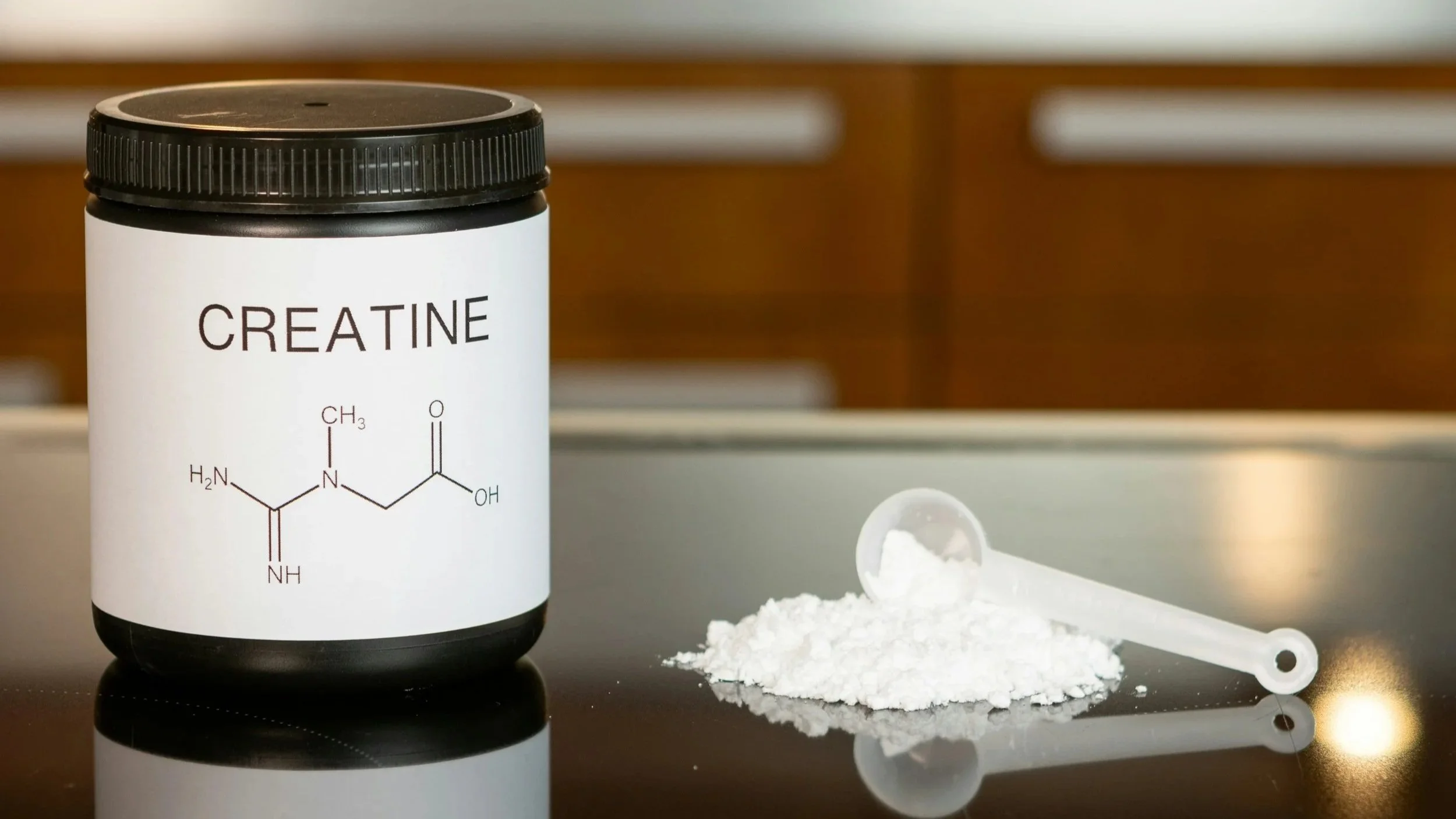
Creatine is a compound naturally made in your body and found in protein-rich foods like red meat and fish. It’s stored mostly in your muscles, where it helps regenerate ATP which is your body’s primary energy molecule. In short: creatine helps fuel short bursts of activity, strength, and recovery.
While it’s often associated with gym-goers and bodybuilders, new evidence suggests that women, especially in menopause, may benefit just as much, if not more.
That’s because women typically:
Have lower baseline creatine stores than men
Eat less creatine in food due to lower meat intake
Experience estrogen-related shifts that may affect creatine synthesis and metabolism
So topping up those stores with a supplement? It might make a real difference.
The Top Benefits of Creatine for Women in Menopause
1. Preserve Muscle & Strength
As estrogen drops, so does muscle mass, a natural process called sarcopenia. This affects metabolism, posture, energy, and even blood sugar.
Creatine can help:
Support muscle retention when paired with resistance training
Improve recovery and energy during workouts
Prevent age-related strength loss
2. Protect Brain Function & Fight Brain Fog
Many women in menopause experience:
Slower thinking
Word-finding issues
Concentration struggles
Mental fatigue
Creatine plays a role in brain energy metabolism and may help improve cognitive function and reduce mental fatigue, especially when under stress or sleep deprived.
3. Support Bone Health
Estrogen helps protect bone density, so when levels drop, fracture risk increases. Some research suggests that creatine, especially when paired with strength training, may help improve bone strength in postmenopausal women.
4. Stabilise Mood & Energy
Because creatine helps regulate ATP and brain chemistry, it may also have a positive effect on mood and emotional resilience. Early studies link it to reduced symptoms of depression and for many women, that matters in midlife.
Clean Supplements Only, Please
Not all creatine is created equal.
Some cheaper brands contain:
Artificial sweeteners or flavourings
Synthetic fillers or colourants
Magnesium stearate or silicon dioxide (used as “flow agents”)
Heavy metals or contaminants from poor manufacturing
When your body is already managing hormonal shifts, clean matters more than ever.
Look for:
No additives, sugars, or artificial ingredients
Brands that are third-party tested for purity and potency
If you're already working on detox pathways, liver support, or gut healing - don’t undo it with synthetic junk. Clean creatine only!
A Final Word from Hello Mimi
We’re not here to tell you creatine is a miracle supplement. It’s not. But for many women in menopause, especially those looking to feel stronger, clearer, and more balanced, it could be one piece of a bigger puzzle.
It’s affordable, well-researched, and generally safe for most people when used properly.
But please: always consult with your GP before adding new supplements especially if you’re managing a medical condition or taking medication. Also to understand the recommended dosage for you.
But it is important to note, as with all supplements, they work best as part of a bigger picture. One that includes nourishing wholefoods, restful sleep, stress support, and movement that feels good. It’s the combination of these pillars that truly supports whole-body wellbeing, especially in menopause.
We’ll be watching this emerging science closely and if you’ve tried creatine yourself, we’d love to hear your experience.
Some interesting studies on Creatine:
Creatine Supplementation in Women’s Health: A Lifespan Perspective.
Creating supporting Brain function
Disclaimer:
At Hello Mimi, we’re here to support and empower you with education, encouragement, and practical tools but we’re not a substitute for personalised medical advice. The information in this blog is for general guidance only. Always consult a qualified healthcare provider before making changes to your health, diet, or supplements especially if you're managing a condition or taking medication.